
Sunday, 22nd January, 2023
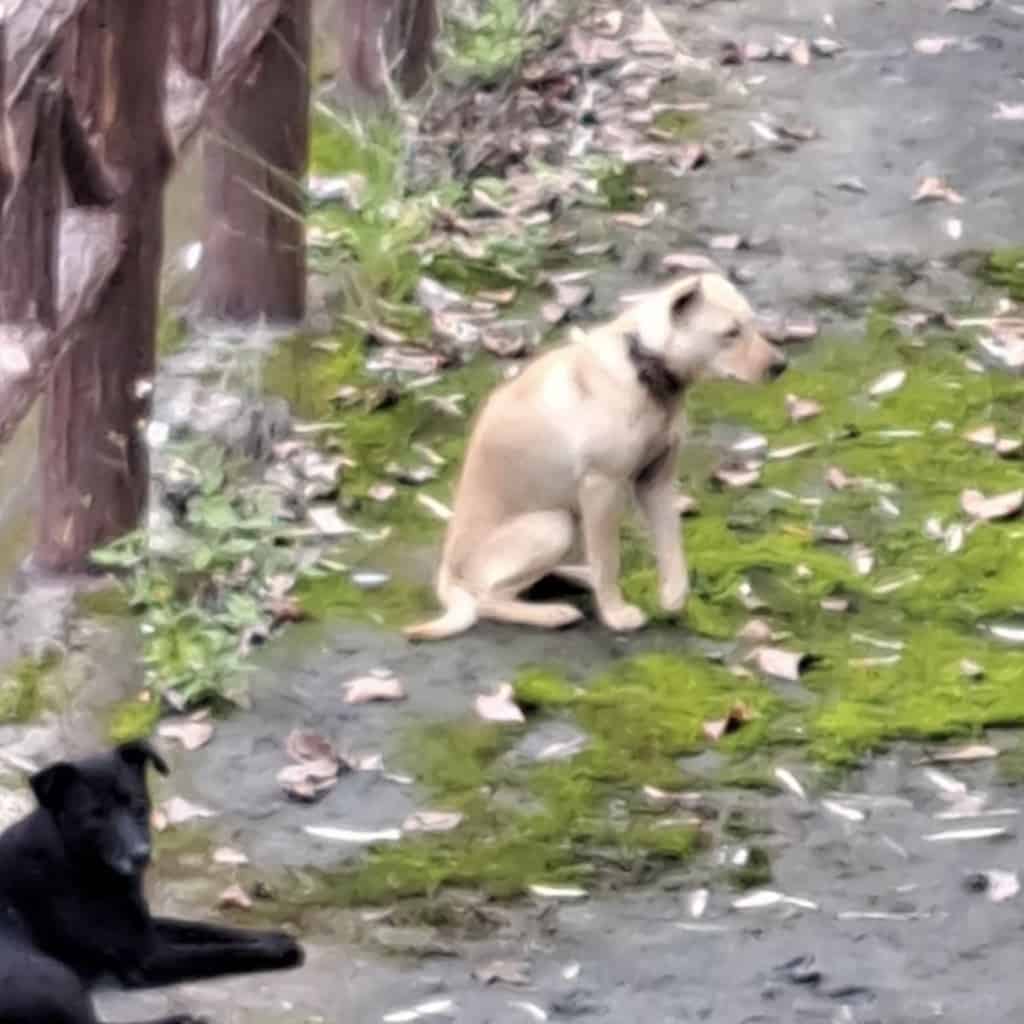
ACT receives an urgent message about this badly injured stray dog. As if losing her foot to a snare wasn’t bad enough, she’s now suffering greatly with a wire snare slowly slicing into her neck, causing a large, badly infected, open wound.
We have to act
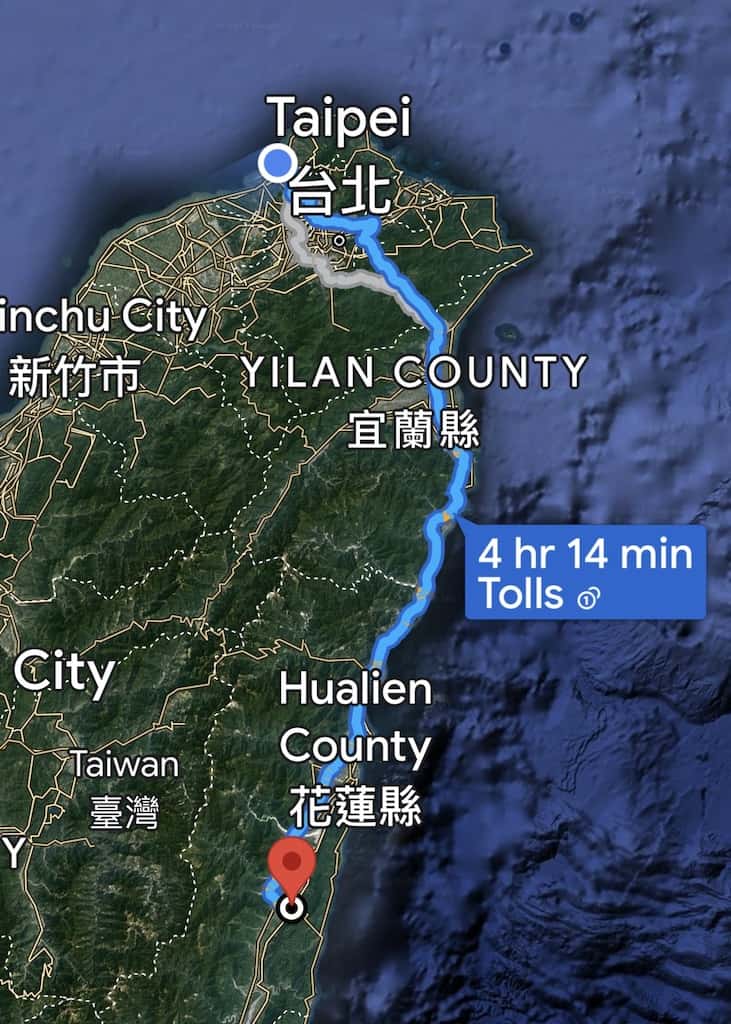
Located in the southeast of Taiwan, she is far beyond our usual range. But, after five days of trying to find someone closer, still no one has helped the poor girl. So, at 5 o’clock the next morning, one of our rescue team embarks on a four-hour drive to see if he can find and possibly save her.
A grave situation
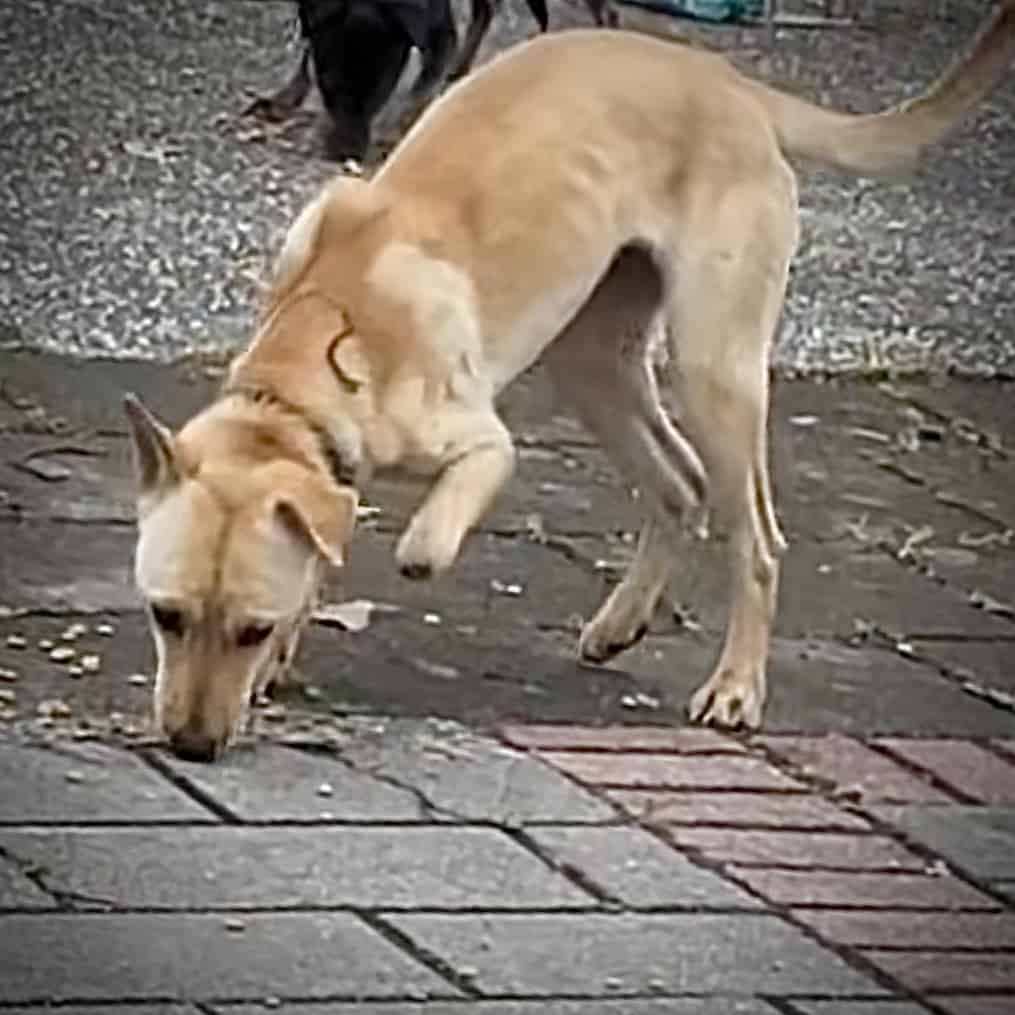
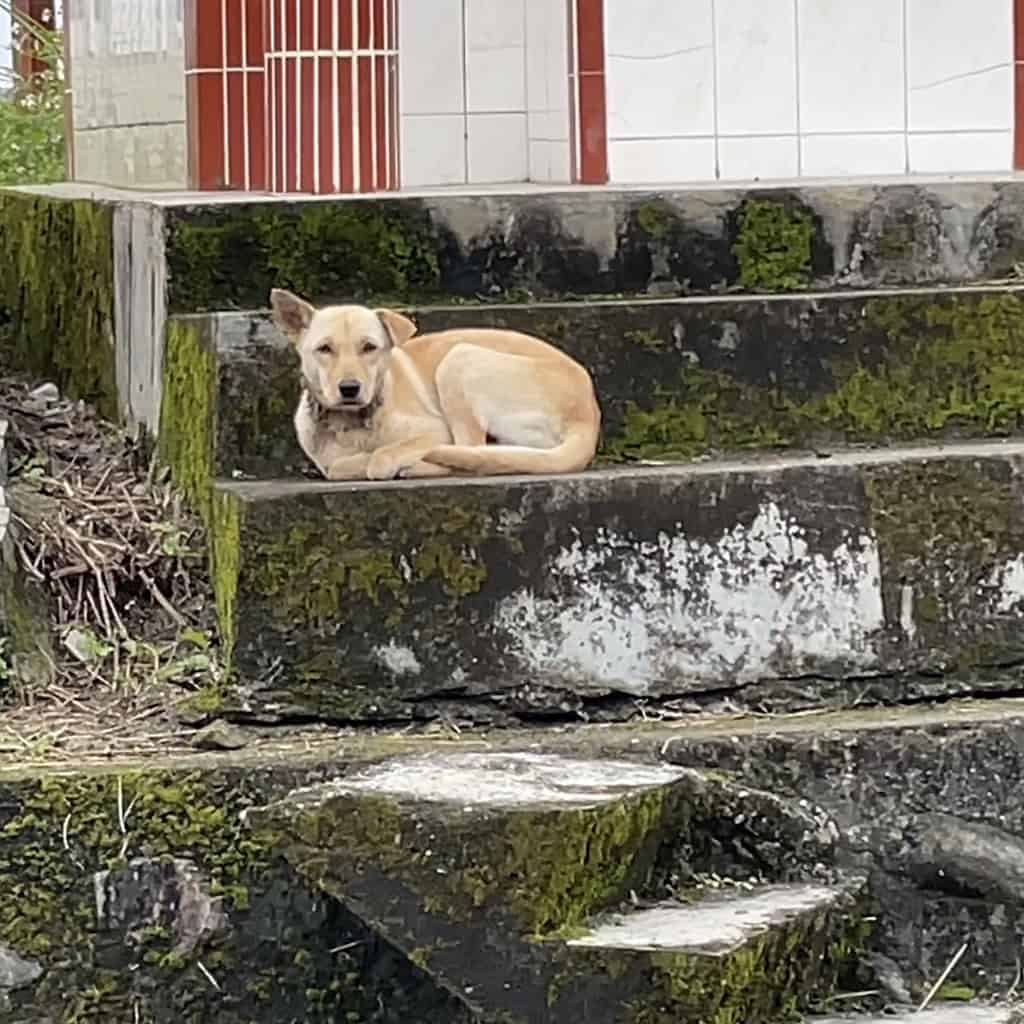
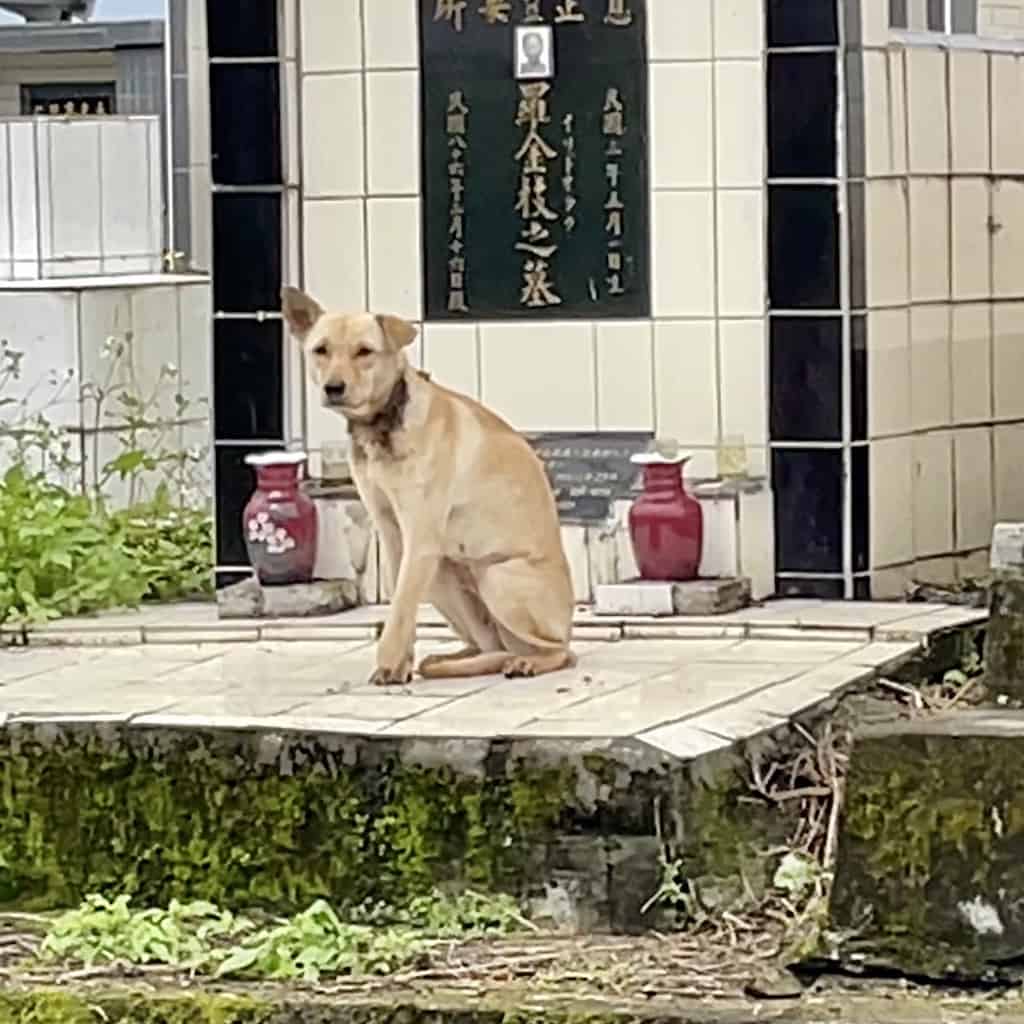
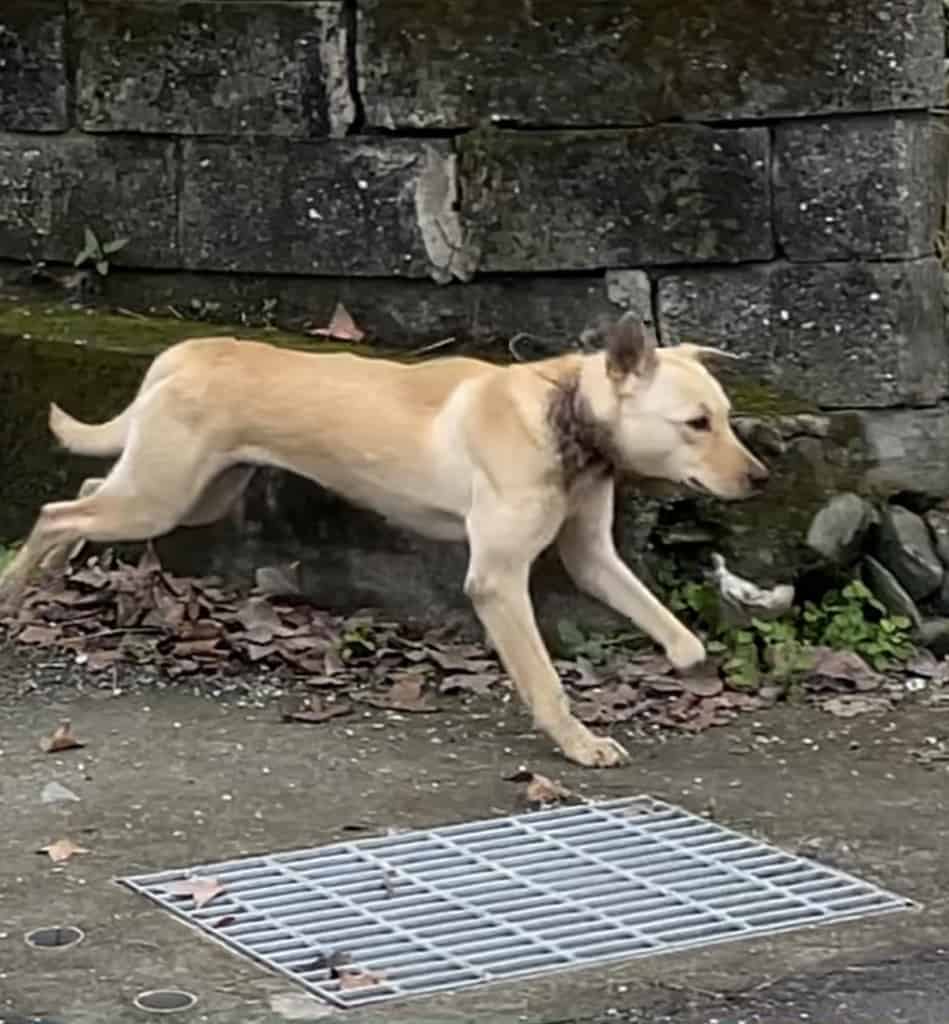
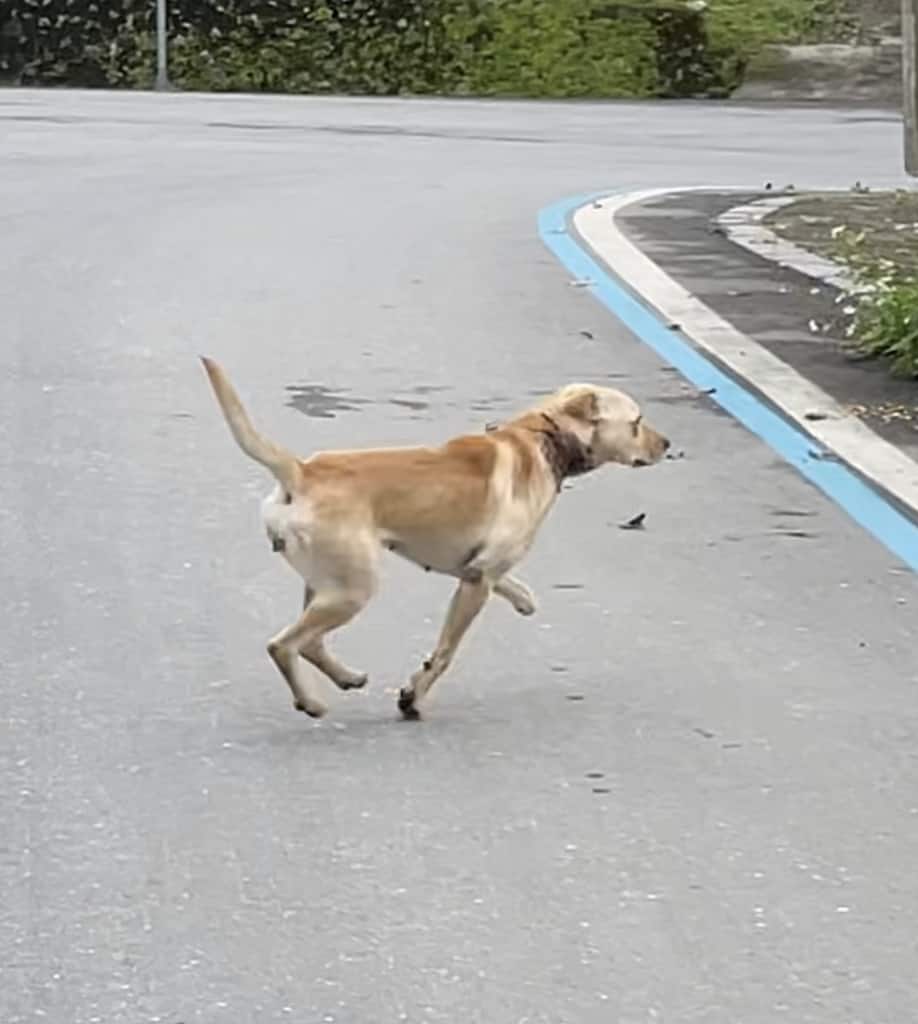
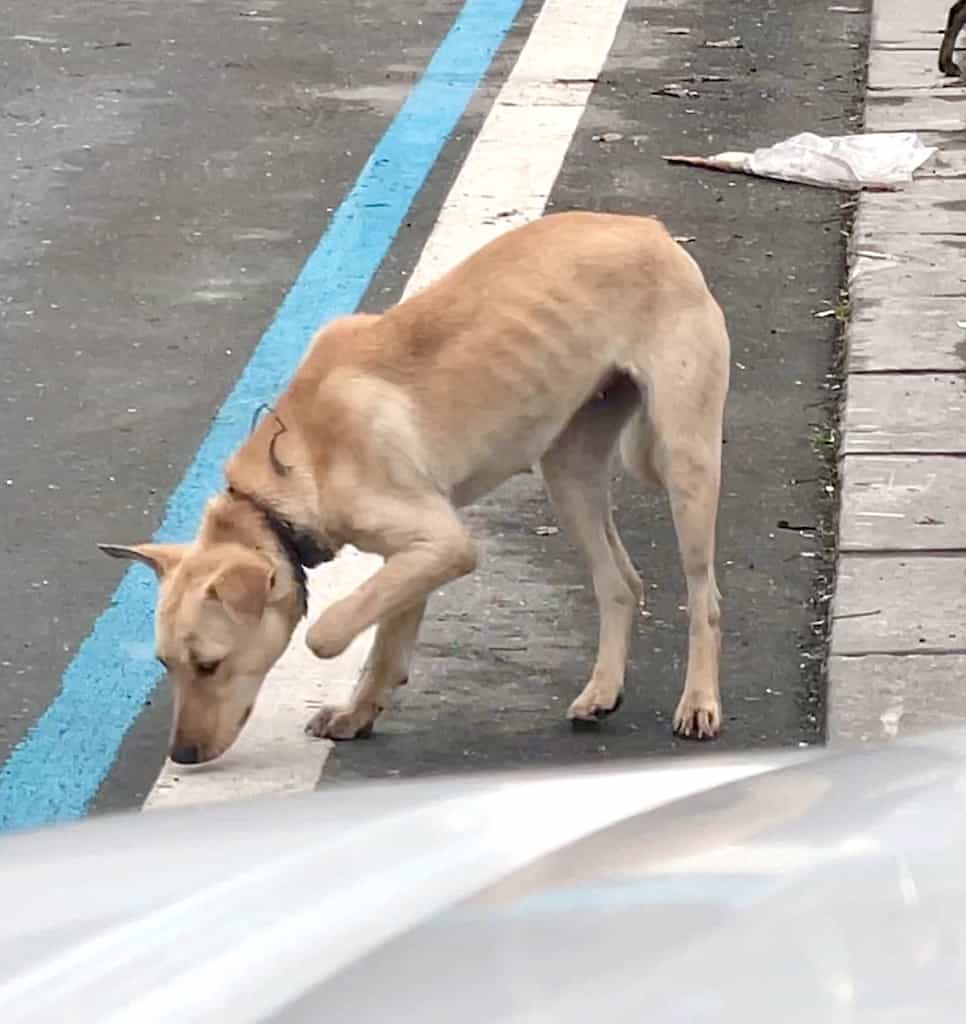
At 10:40 that morning, he does find her hanging out in a small, run-down cemetery—and her condition is heartbreaking: she’s clearly undernourished, her front-left foot is missing, and the wound on her neck is deep. Even from a distance, the smell coming from her injury is strong, indicating serious infection. The young stray dog is in urgent need of medical attention—and the chance of an easier, safer life.
Wary and wise
Our rescuer sets a humane trap for her, as it’s the easiest and gentlest way of catching a nervous dog. But, while the hungry girl shows interest in the stinky bait within, she’s unusually reluctant to even go near the entrance. In our experience, it means she’s had people try to catch her before. After eating all the bits outside the trap that are meant to lead her inside, she runs off and hides among the hundreds of colourful but dilapidated concrete tombs.
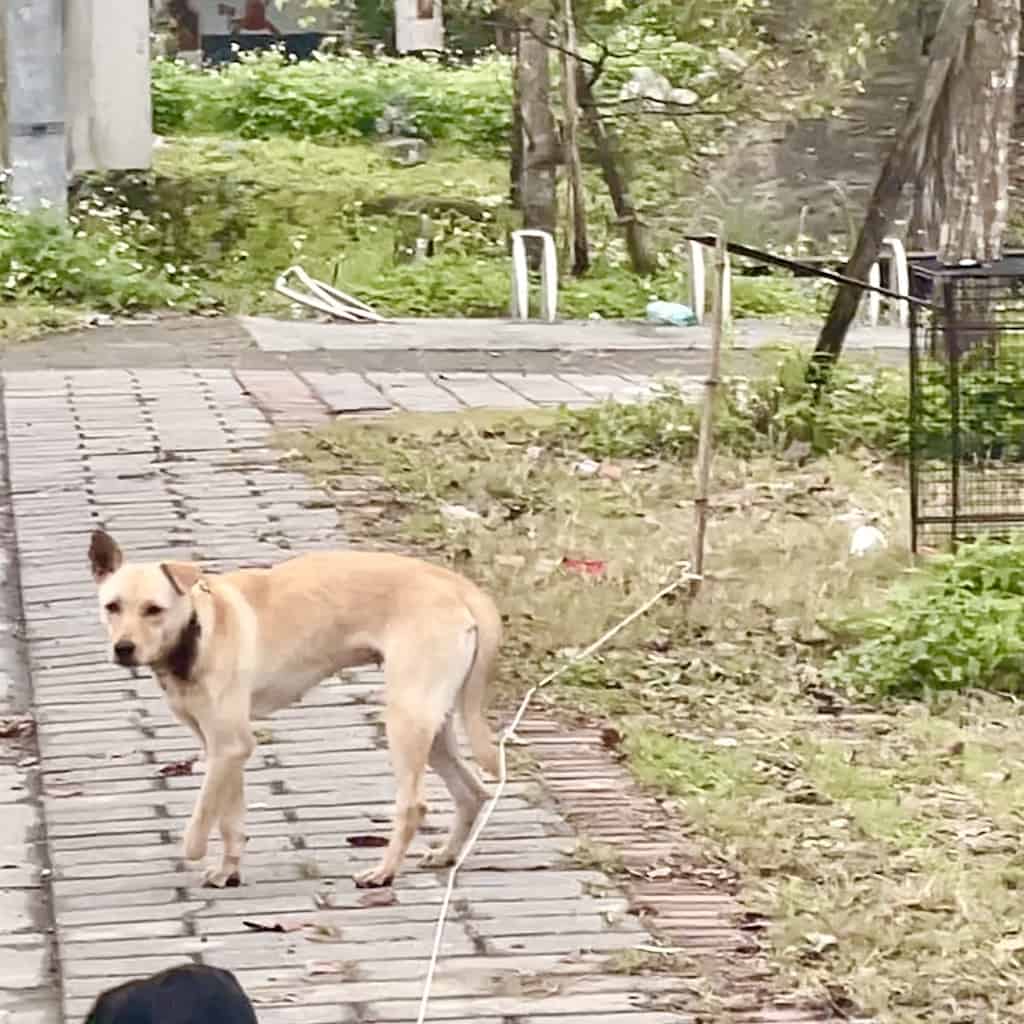
Patience is key
So we start tracking her with our brand-new thermal-imaging drone, and it’s incredibly good at finding her, allowing us to try and sneak up and net her while she’s sleeping. But she’s almost always flanked by her pack mates, who always alert her to our presence so she moves away before we can get close enough to catch her. This goes on repeatedly for three days.
Most important when trying to catch a stray dog is to not spook them; once they fear us, they are extremely alert and will stay well away from the person trying to rescue them. It means that, in order to rescue them as quickly as possible, we usually have to take things slowly. So our rescuer sleeps nearby and keeps checking the trap to see if the injured dog’s hunger has got the better of her. We’ve been asking feeders to not feed her and been sure to take away any food left behind after her pack mates have satiated themselves.
Maimed in Taiwan
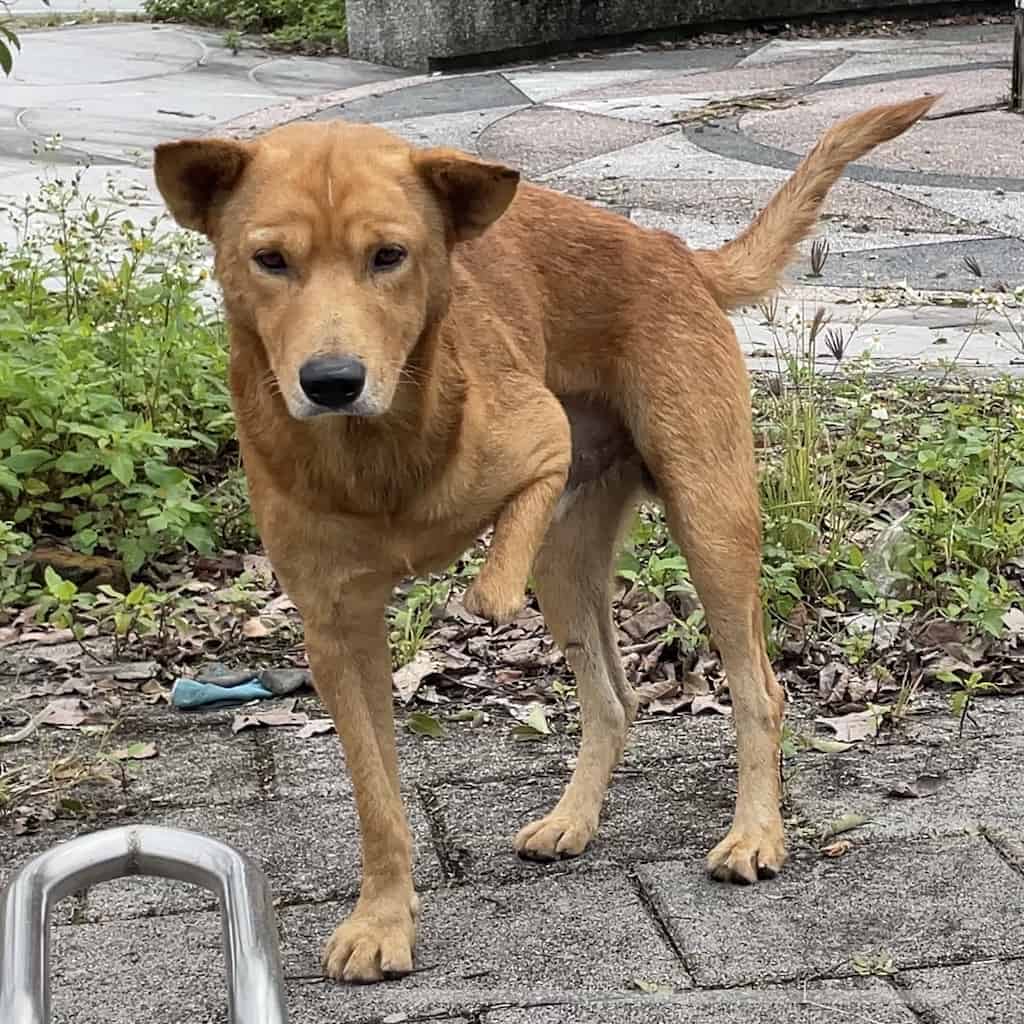
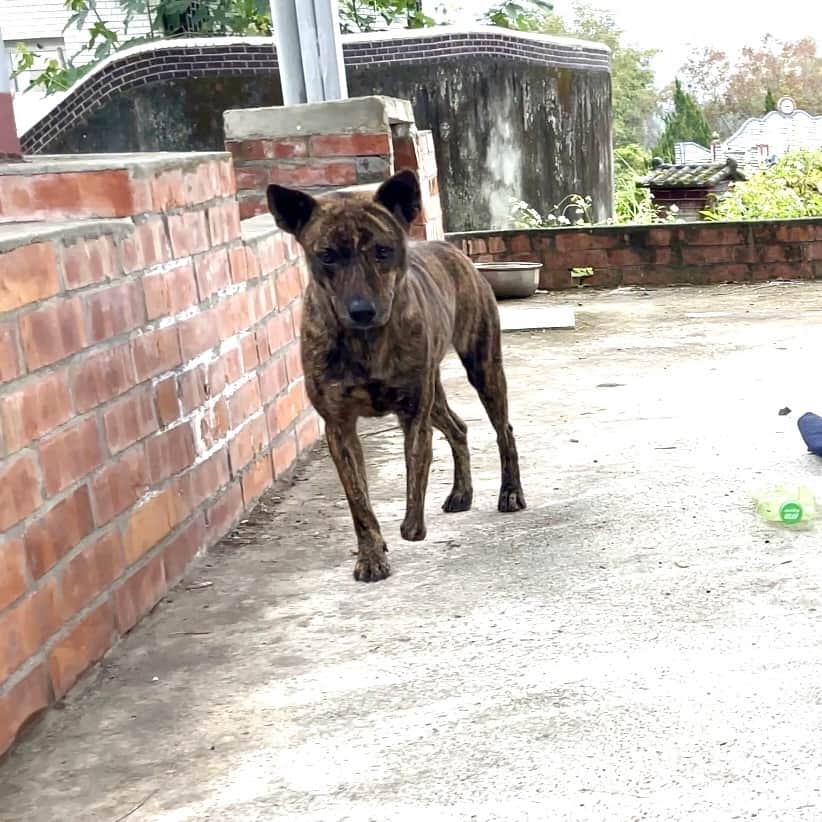
Very sadly, we soon learned that she’s not the only stray to have fallen victim to poachers’ snares. Several of the dogs living in and around the graveyard are snare amputees. It’s heartbreaking—and even more so when you realise that more injuries are bound to happen to these poor animals. This is a huge problem in Taiwan and why ACT currently cares for 65 snare-amputee dogs and two cats.
Last chance
After three long days and short nights of trying to catch the long-suffering girl, we start to feel despondent. But we’re reminded that, so often, when things look hopeless, that’s when we must persevere even more, because success usually follows hopelessness if we just don’t give up.
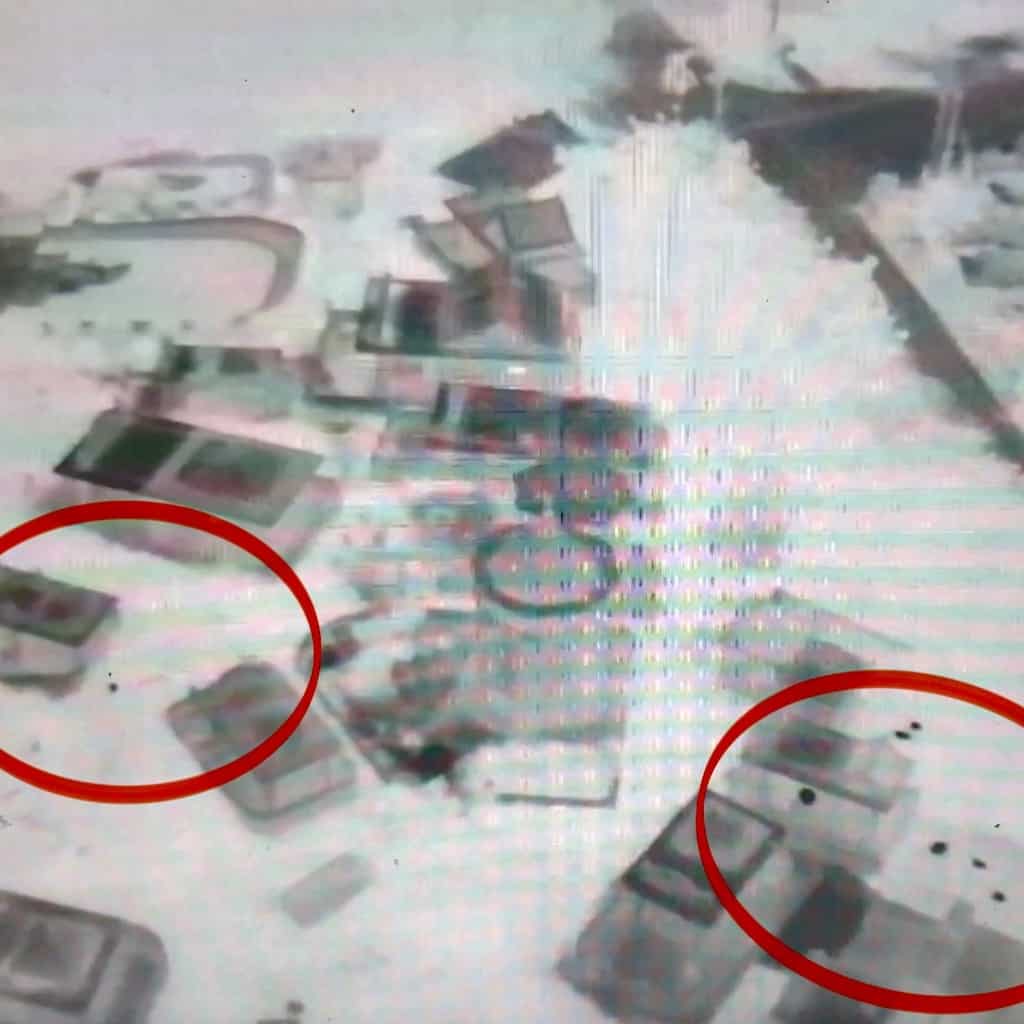
By 5:00 PM on the third day, daylight is starting to fade, and we’re on the last drone battery. The wounded dog has been laying low all day, avoiding both our trap and our net. We only have a few minutes of battery life left as the drone takes one last sweep of the area where we could hear her pack mates barking. The drone camera picks them all up, but not the one we’re here to help. So, before the drone automatically returns home before the battery dies, we switch to another thermal-imaging colour palette: black hot, one favoured by many search-and-rescue pilots. It picks up the other dogs really well, so we start circling the drone around them in a last-ditch attempt to spot the injured dog before having to call it a day.
Spotted from the skies
And there it is: a tiny black spot about fifteen metres away from the pack that indicates something of similar size and heat signature. We switch to normal camera and zoom in all the way—and there’s our girl, curled up next to a tomb wall in foliage so thick that there’s no way we could have seen her with our bare eyes or the regular drone camera.
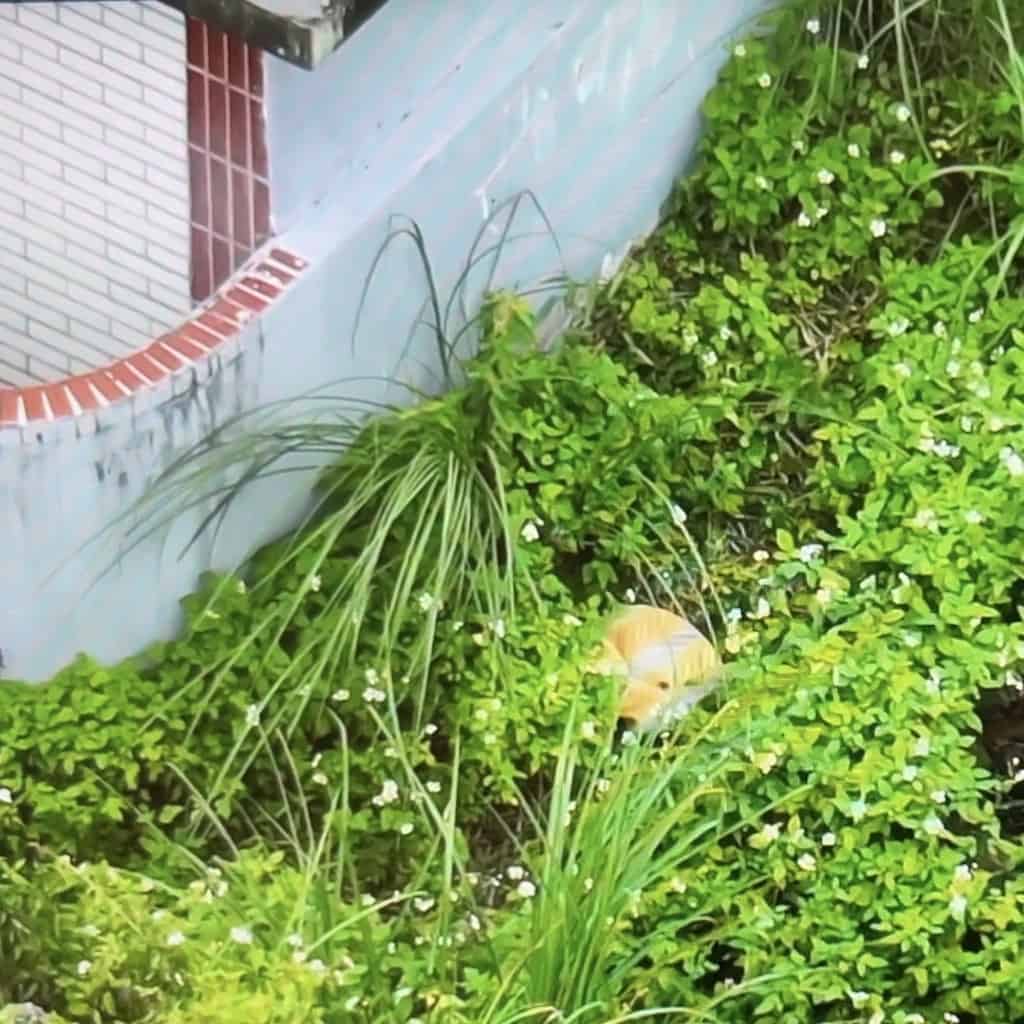
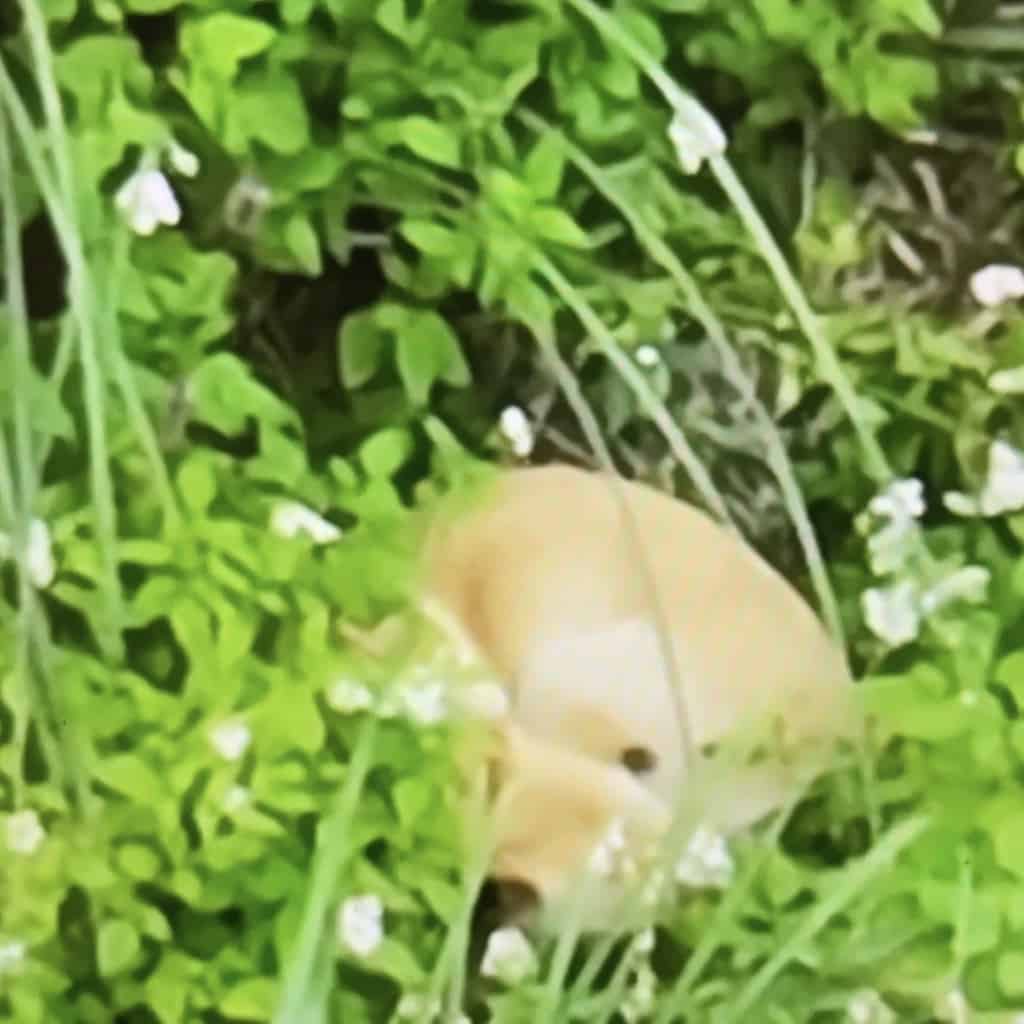
She had no idea
This is the power of thermal imaging and why it’s used so much in search-and-rescue.
Our rescuer is able to then zoom out to get a good idea of the lay of the land and plot the best way to get to the dog on foot without alerting her or her friends. And his heart pounds hard in his chest when he sets out to cross the graveyard without making a sound that would scupper his last attempt to save this poor stray dog before morning. She’s suffered enough, and it’s agony watching her limping around on three legs while a thin wire noose slowly cuts into her throat. We all really want to see her getting help as soon as possible.
She doesn’t hear our rescuer’s approach and neither do her pack mates. He ends up behind the wall beside her and can see her curled up within reach of the net. With his heart pounding seemingly loud enough to wake her, he doesn’t hesitate and drops the net onto the sleeping dog before she even knows what’s happening—he’s got her!
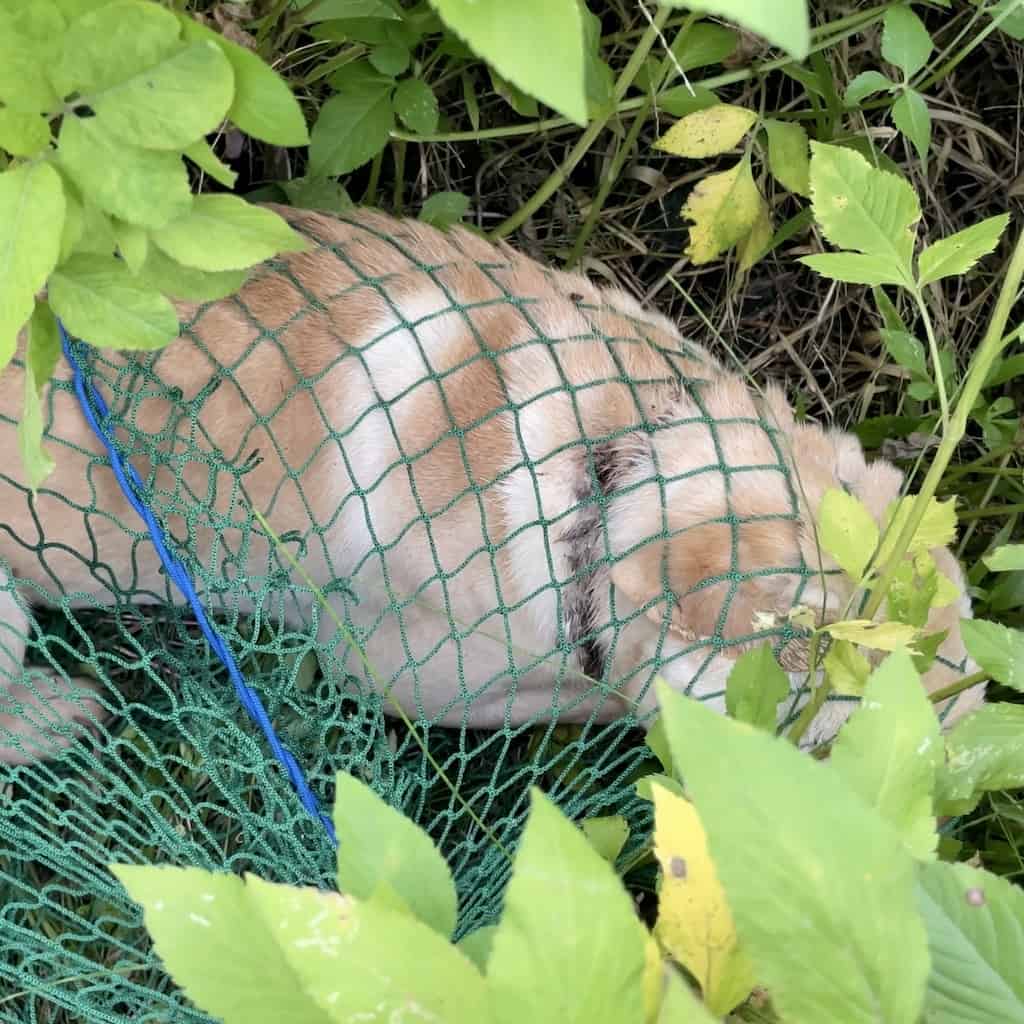
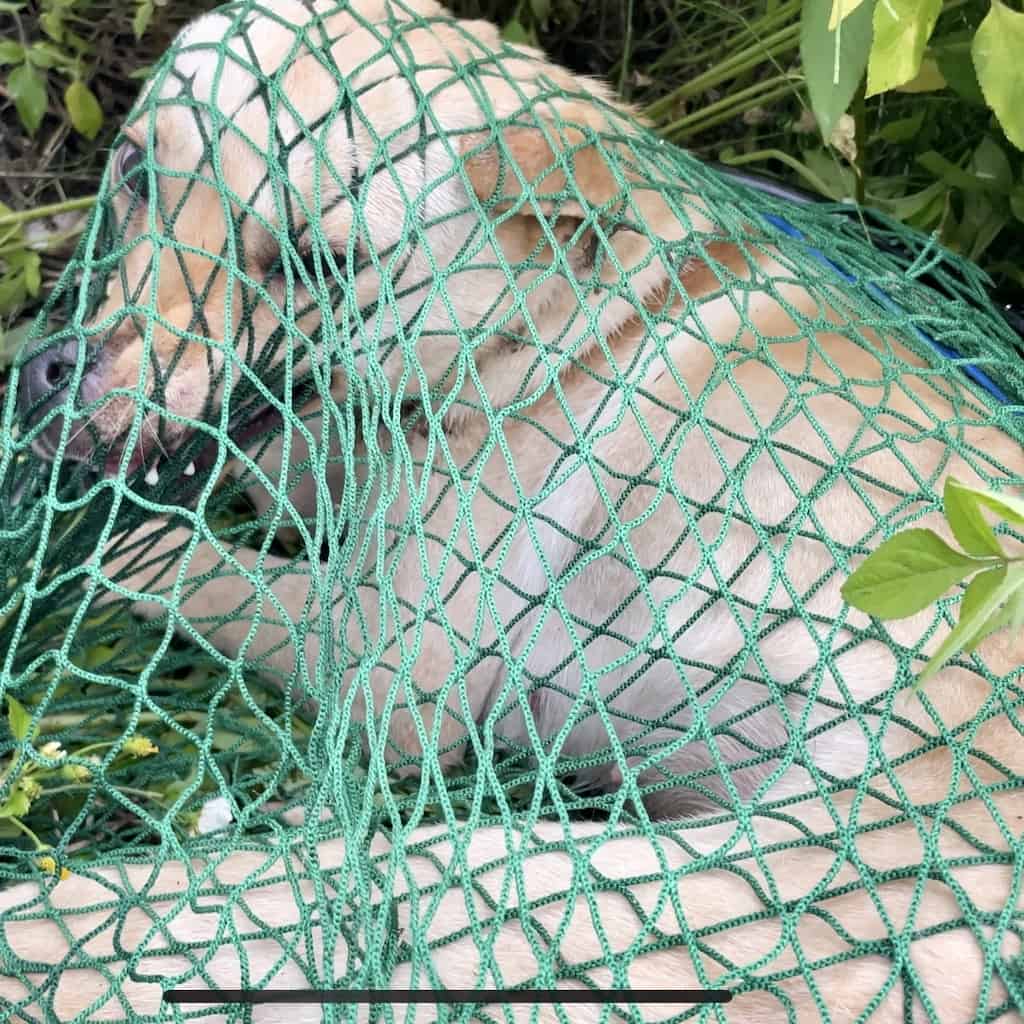
Happy rescuer, unhappy patient
The feeling when you finally catch a dog like this after so much time and so many attempts is indescribable other than it’s sheer elation. We now know her suffering is about to end and a better life begin. A mad scramble ensues to carry the bewildered dog through the graveyard to our rescue vehicle, all while the stinky, pooping stray snaps at the net and his fingers, not realising that he is on her side.
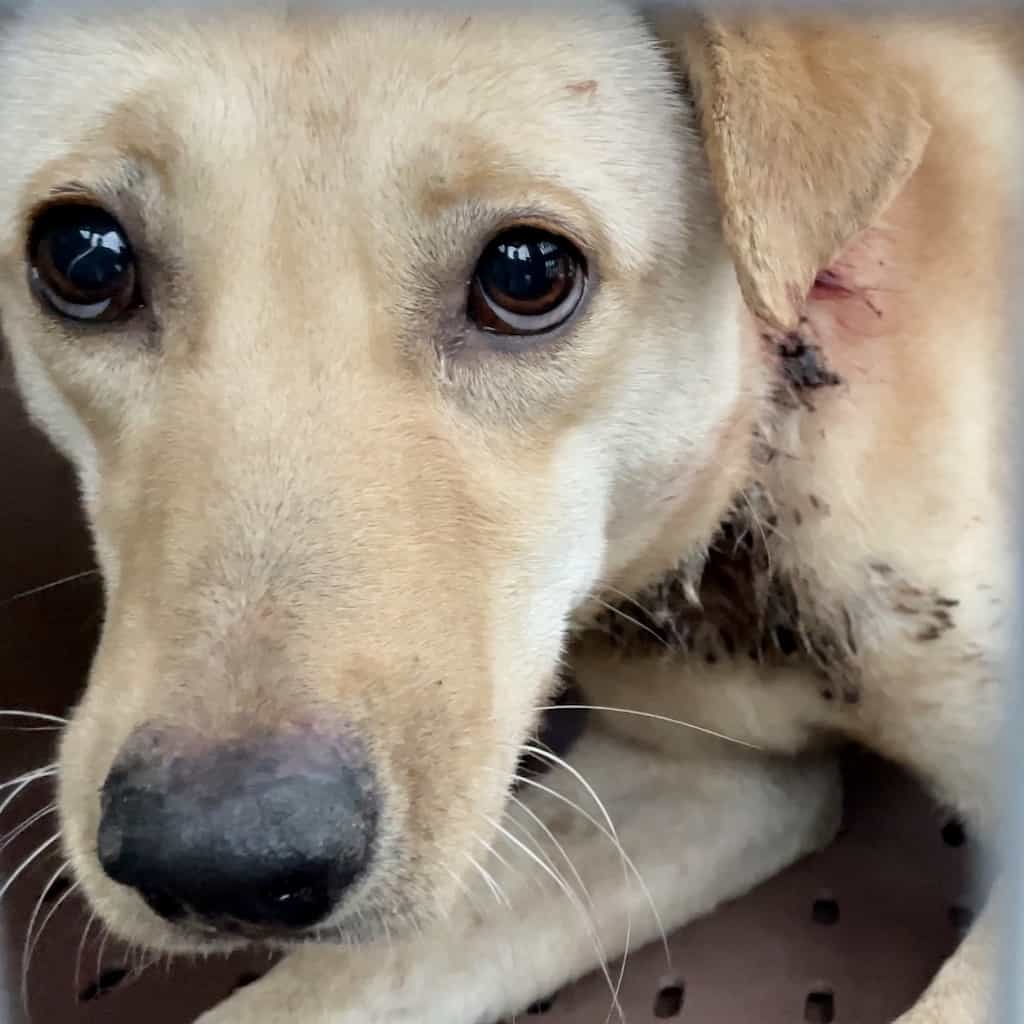
Cut free
She calms down after being moved from the net into the travel crate, and it’s then just a seven-minute dash to the only vet in town. Within seconds of arriving, she’s anaesthetised on the treatment table—and the wire that has been slicing into her throat is cut and extracted from deep within her neck tissue.
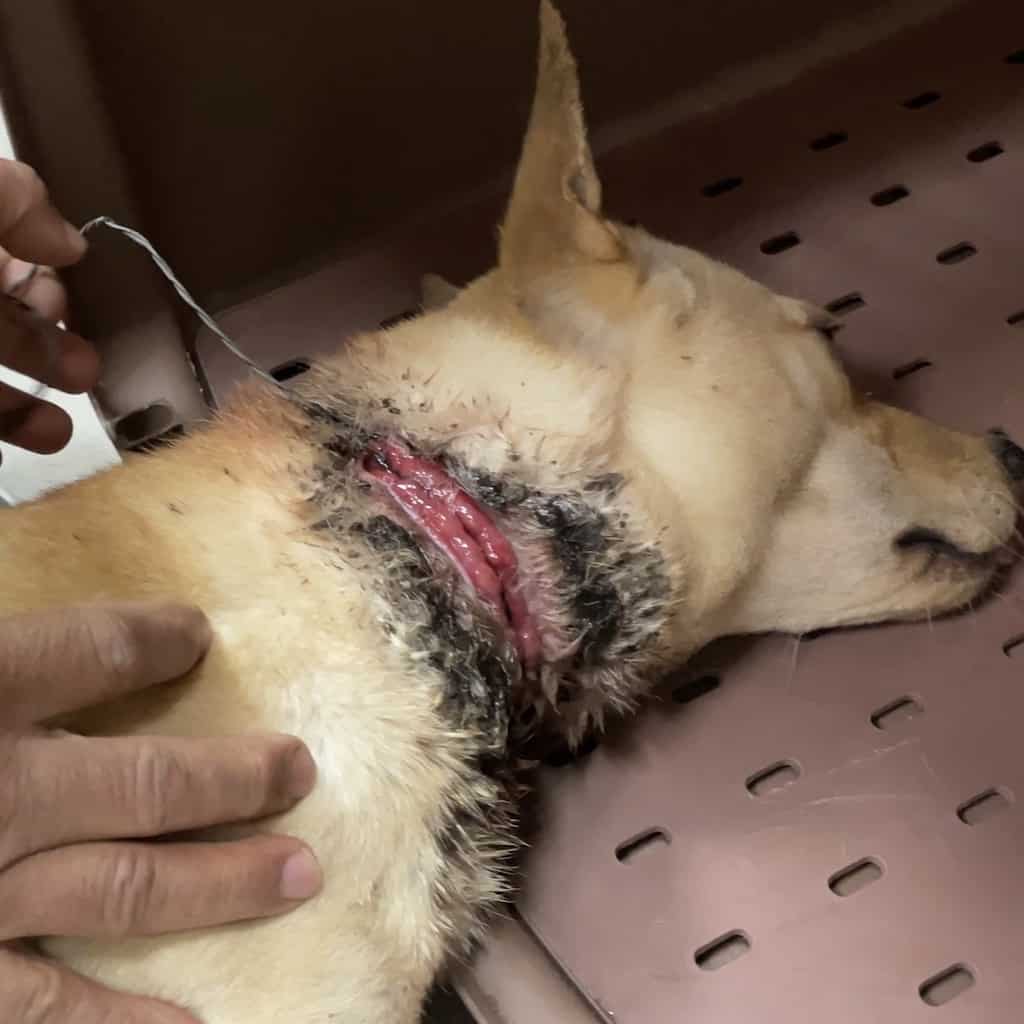
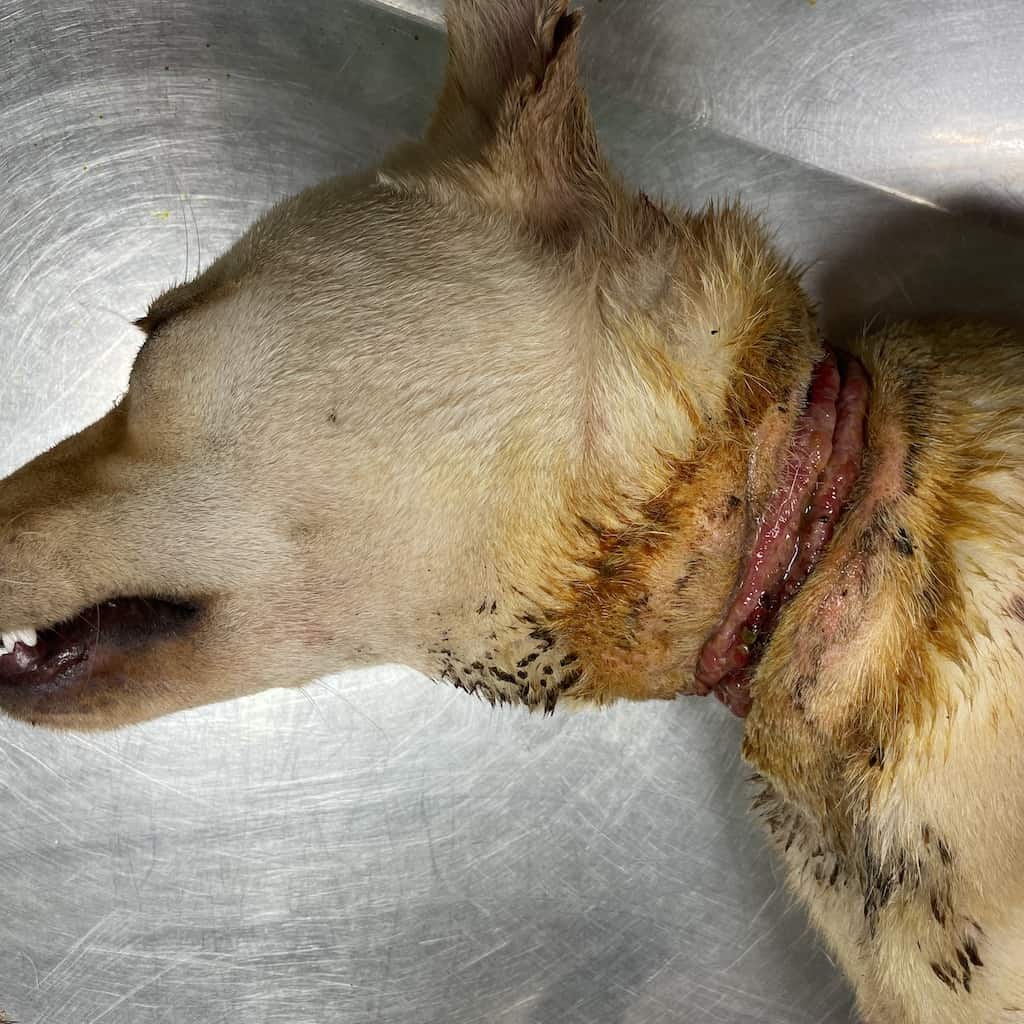
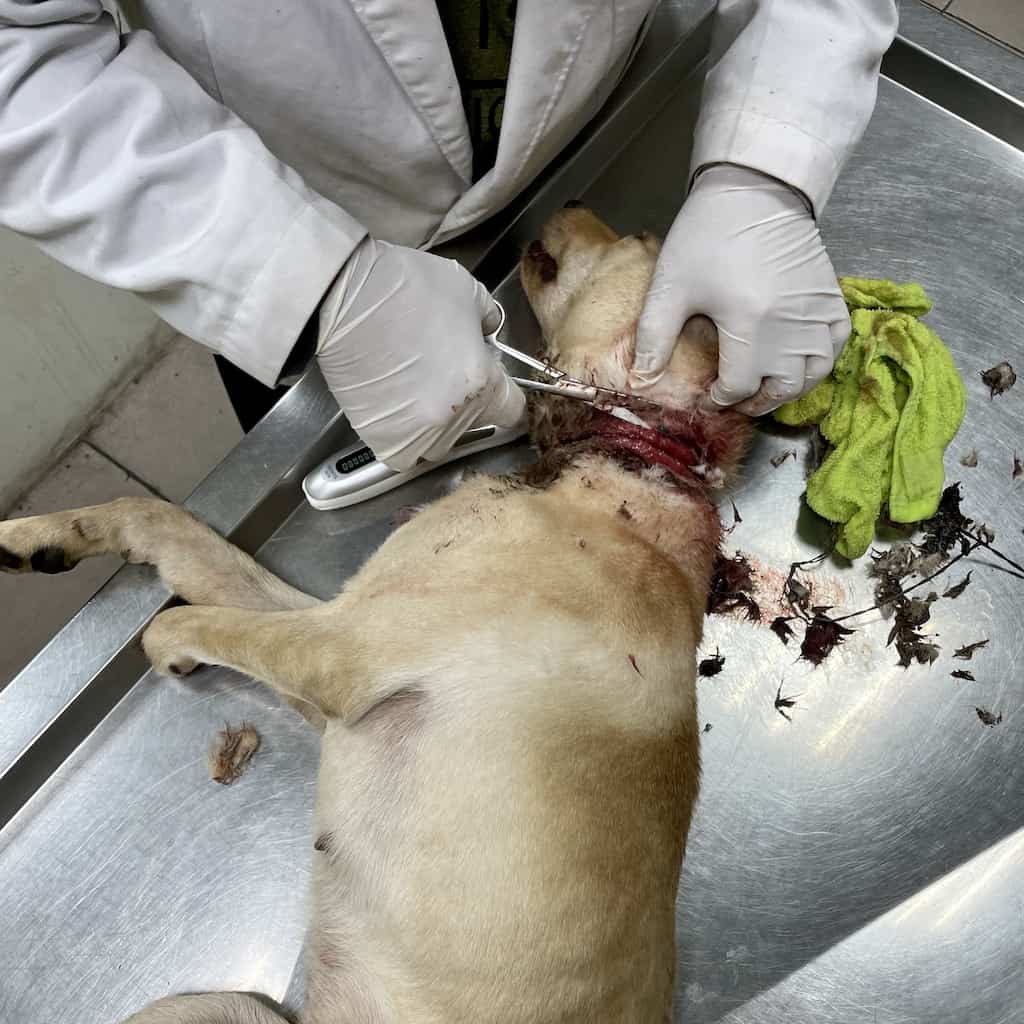
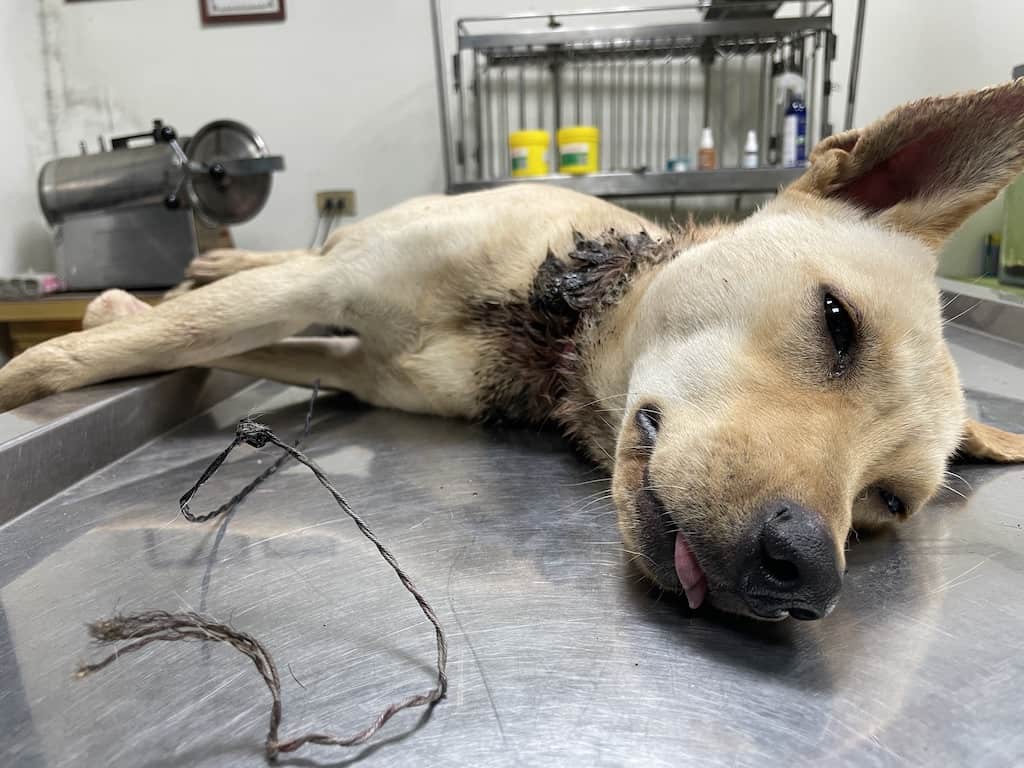
Feeling better already
Our reluctant canine patient is now free of the snare that was threatening to slowly kill her. Once she woke from the anaesthetic, her wound now cleaned and antibiotics running through her body, Kiwi seemed much, much more calm and relaxed. We named her Kiwi.
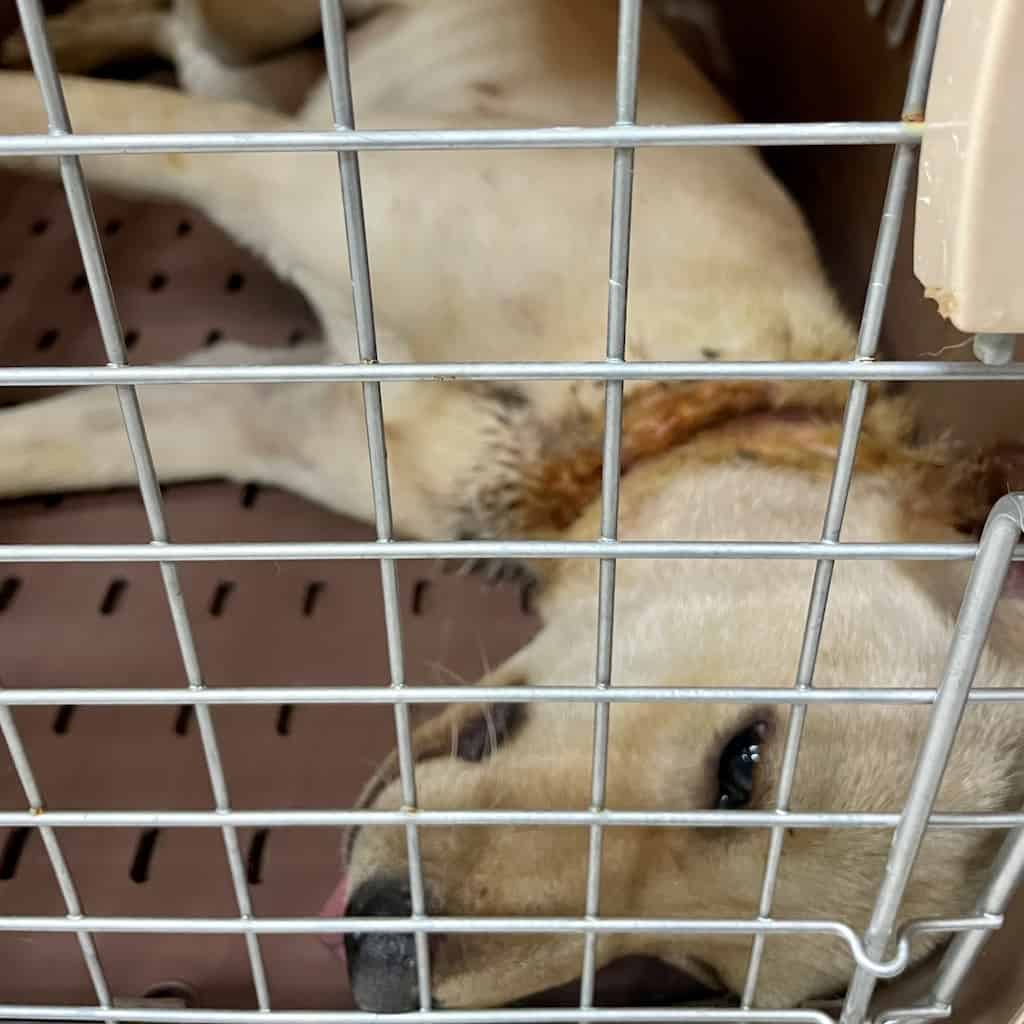
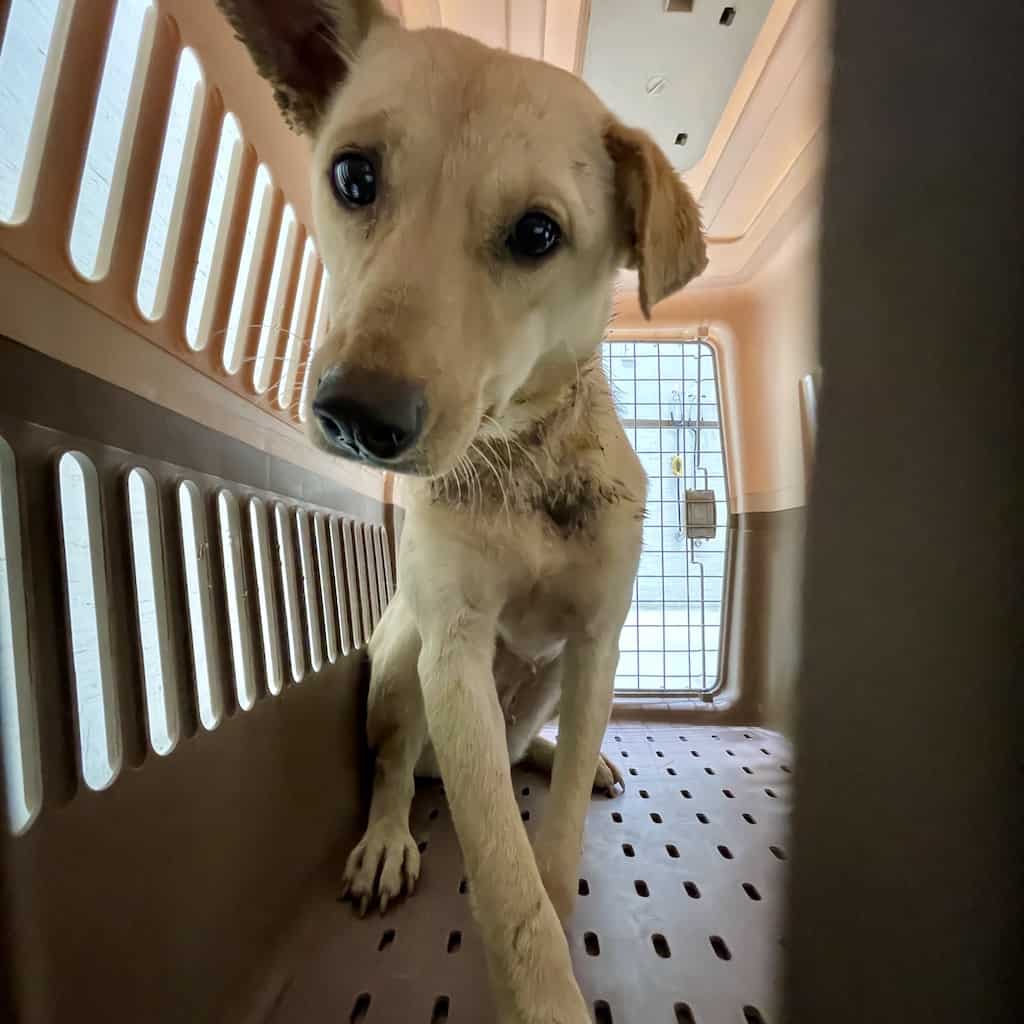
Soon on the mend
Four hours later, she was at one of our 24-hour vets in Taipei, where she underwent a thorough examination. She’s anaemic, has a heartworm infection and high white-blood-cell count, is ehrlichiosis positive (has a tick-borne blood parasite), and the wire snare has sliced her trachea open. So a senior vet is coming to perform the advanced surgery to repair the tear. Kiwi, who is in heat, will also be spayed.
We couldn’t do it without people like you!
While this sweet, skinny stray girl has been through so much, already her life is on the up and up. We cannot put into words how grateful we are that we had the means to drive all that way to save her, armed with expensive technology that brought about her rescue much faster than would otherwise be possible. Kiwi was hurt by a couple of cruel poachers who have no concern for the innocent animals they torture and maim with their barbaric hunting devices.
But she was saved thanks to the kindness of hundreds of people who want to see them safe and happy and no longer in pain. If you are an ACT supporter, YOU saved this girl’s life. From the bottom of our hearts, THANK YOU. We love that we can transform the lives of suffering strays like Kiwi, and it’s your generosity that makes these rescues happen. Our search-and-rescue drone was an expensive purchase only made possible because so many kind people chipped in what they could. Take a look at just how much of a difference it makes to getting hurt animals found more quickly. Can you spot Kiwi hidden in the grass in the left picture? How about the right one though?
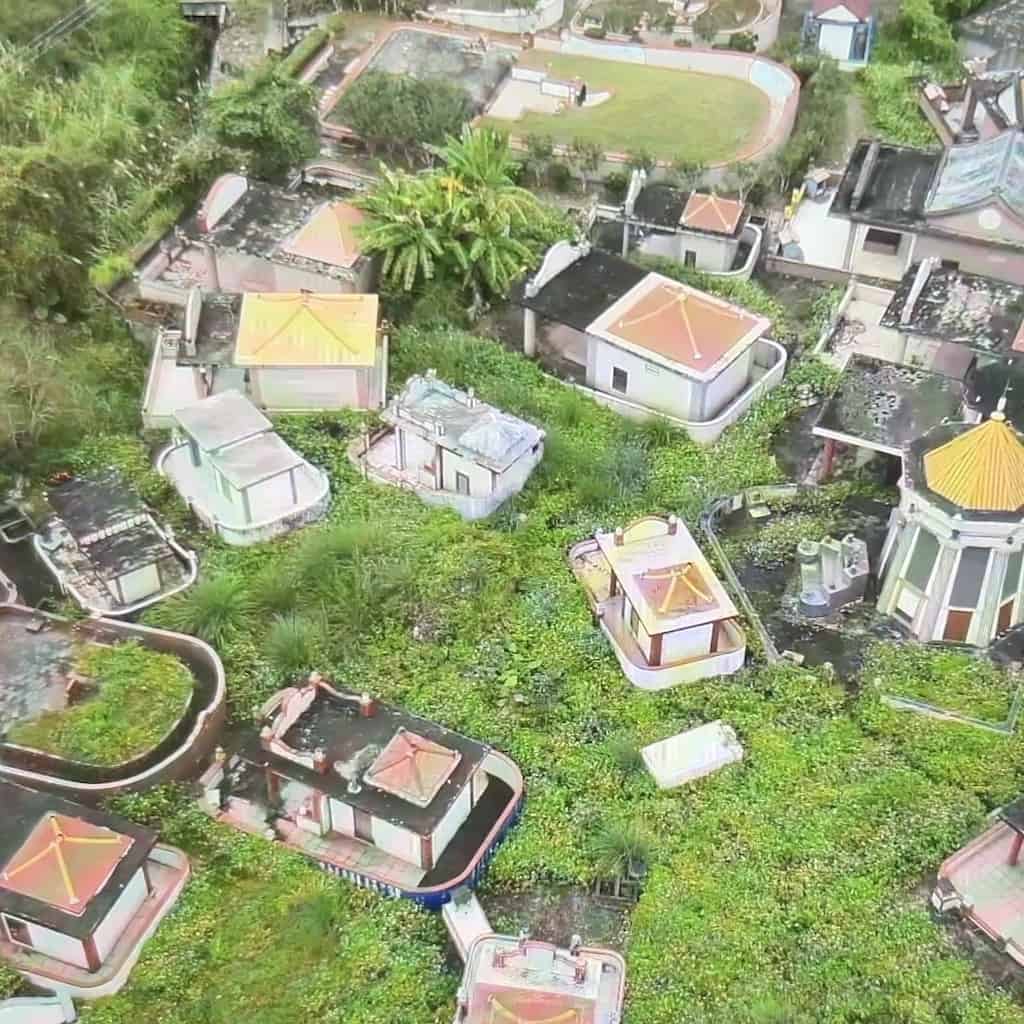
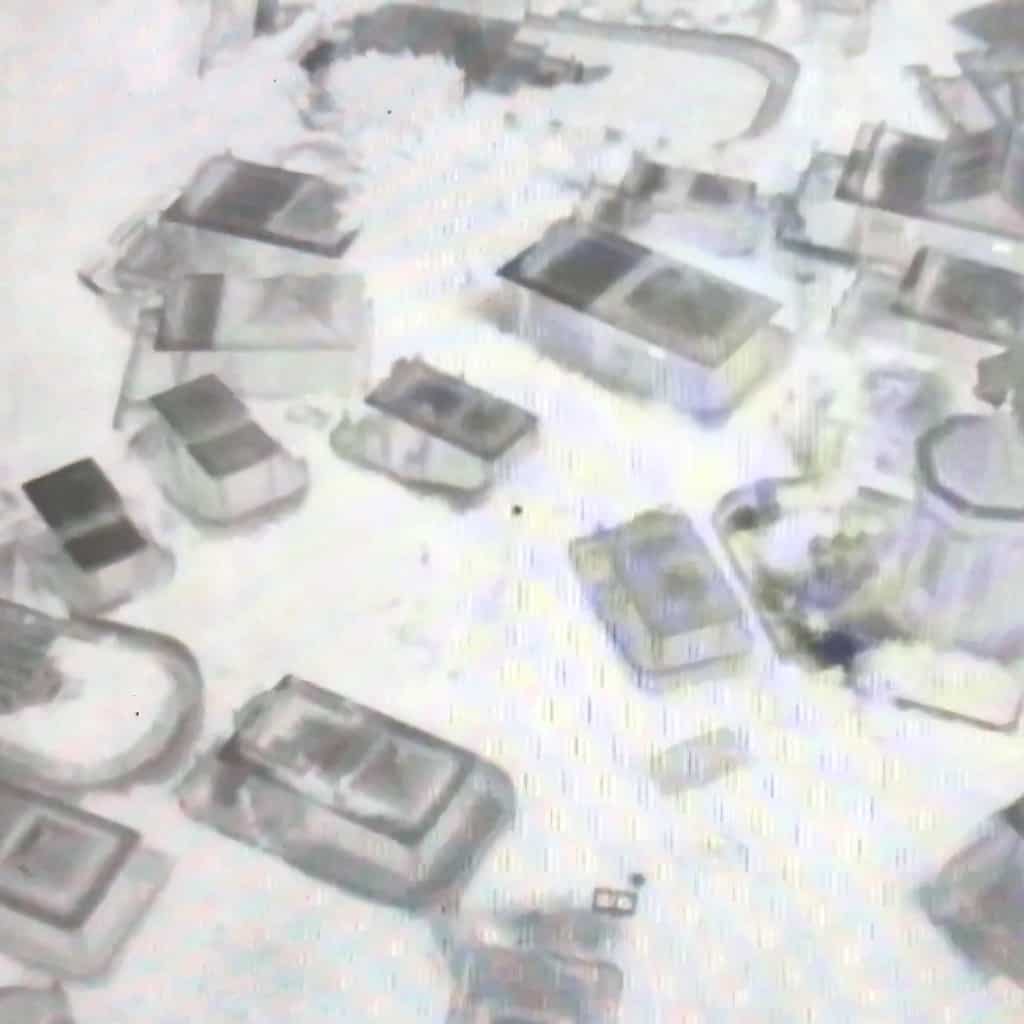
We’re so grateful to have this piece of equipment in our arsenal. The sick and injured strays of Taiwan deserve the chance of being rescued quickly. This thermal-imaging drone is proving to be an absolute game-changer when it comes to finding animals we’re trying to save from prolonged pain and suffering.
Please—this is our busiest time of year for rescues, and our team are out at all hours of night and day, seven days a week, doing what they can to save lives; if you’re thinking of donating to an animal charity any time soon, please consider ACT. We have no large salaries and our admin costs are at the low end of the perfect range for animal charities.
Your donation—big or small, one-time or monthly—truly makes a difference. Please join us in transforming the lives of Taiwan’s suffering strays—and giving young dogs like this girl the best chance possible of a bright, happy future.
Help us reach the next one
StrayKind runs a 24-hour rescue line, three no-kill sanctuaries and the veterinary care that goes with them. All of it is paid for by donations.